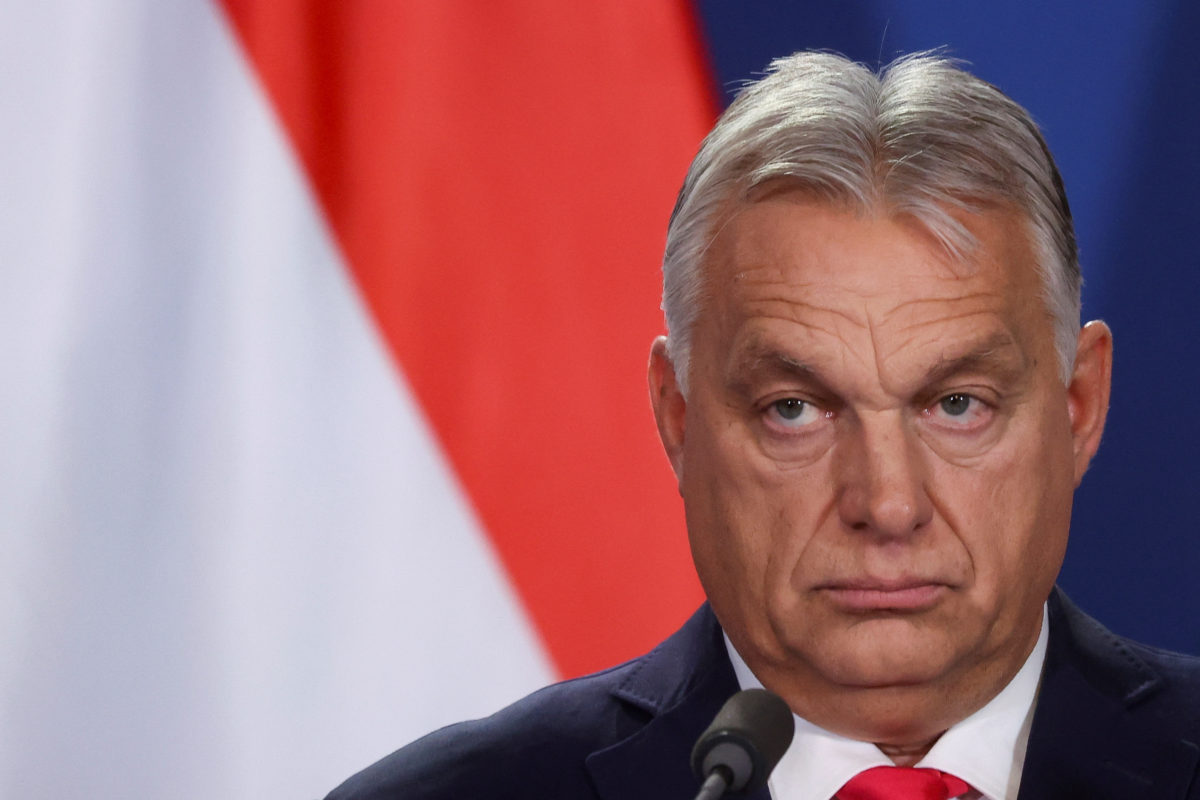
Viktor Orban has been in Hungary’s seat of power since before some students at Wayne Hills were even born, ruling from 2010 until this year’s shock election results. Over the course of 15 years, the far-right Christian nationalist has taken measure upon measure to secure his grip on the country, its electoral system, and its judiciary, amending its constitution over 10 times in his first year in office, using gerrymandering and other devices to give him an edge in elections, restricting the press’ coverage of opposition views and arguments, and using his power to enrich his own circle of oligarchs.
Democratic backsliding and corruption in Hungary have also earned, apart from the dissatisfaction of voters, the freezing of now 18 billion euros in EU aid to Hungary, weakening its economy and sending it into multiple recessions in recent years. Such are the issues that have brought the recently elected Pete Magyar, a former member of Orban’s Fidesz party who broke off in 2024, to prime ministry as the head of the center-right Tisza party. Criticizing both Orban and his opposition, the people of Hungary largely saw Magyar as a much-needed agent for change from the Orban era, running on national unity, fighting corruption, returning freedom to the press, and returning prosperity to the economy, among other things. Magyar’s Tisza party won a two-thirds supermajority despite Orban’s devices, and Orban conceded defeat on April 11th, 2026.
“I think for the past few years,” says Wayne Hills senior Ian Kwon, “a lot of the opposition against Orban has been from the left, but Magyar is center-right, which you can make an argument that while the far right has embraced authoritarianism, voters aren’t necessarily tired of conservatism, just authoritarianism, and you can say that this could define future combats to authoritarianism as well.”
With Magyar’s swearing in to prime ministry on Saturday May 9th, 2026, voters are hoping Orban’s end will mark the beginning of a better and brighter future for Hungary.